
Winter Home Safety Checklist for Older Adults in North Jersey
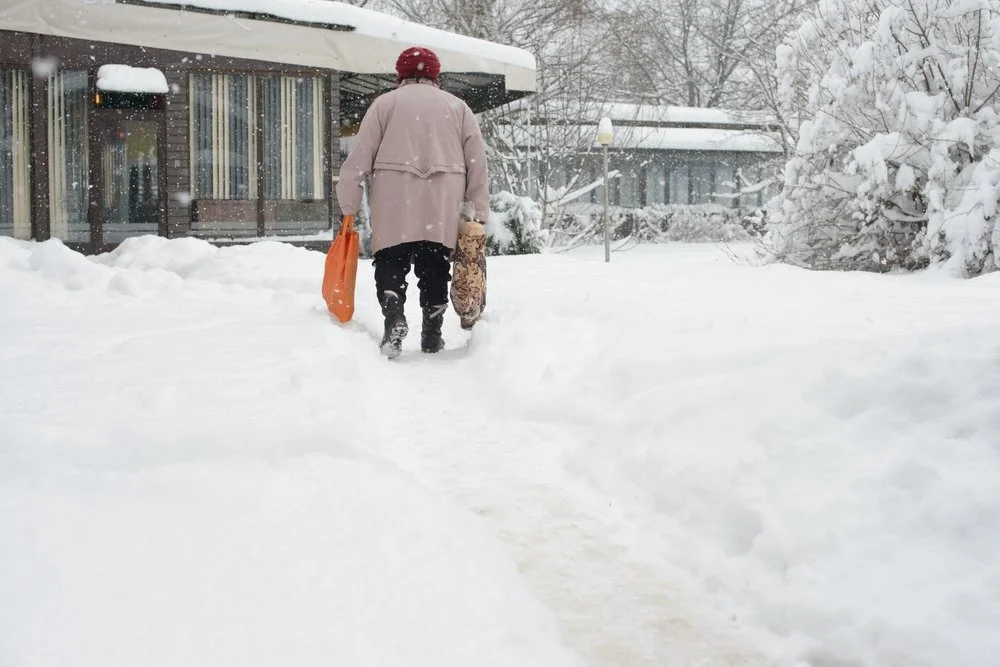
Winter in North Jersey brings beauty, but it also brings increased risk for older adults.
Ice, snow, reduced daylight, and bulky clothing all contribute to higher fall risk during the colder months. For older adults, especially those with balance changes, arthritis, or recent illness, winter conditions can turn everyday activities into potential hazards.
From a nursing and injury-prevention perspective, winter falls are not just more common, they are often more severe. Cold weather slows reaction time, stiffens joints, and makes surfaces unpredictable.
According to the Centers for Disease Control and Prevention, falls are the leading cause of injury among adults over 65, and environmental factors such as weather significantly increase risk.
This winter home safety checklist is designed to help older adults and their families prepare proactively, reducing risk before the first snowfall arrives.
Why Winter Increases Fall Risk
Winter creates a unique combination of hazards that affect balance and mobility.
Cold temperatures can increase joint stiffness and muscle tightness. Bulky coats and boots alter posture and gait. Reduced daylight makes hazards harder to see.
From a clinical standpoint, these factors compound existing balance or strength limitations. A surface that feels manageable in summer can become dangerous in winter.
Proactive preparation is far more effective than reacting after a fall occurs.
Exterior Walkways and Driveways
The most dangerous part of the home in winter is often outside the front door.
Winter safety checklist for exterior areas
Keep walkways clear of snow and ice
Use ice melt products regularly
Ensure railings are secure and reachable
Improve exterior lighting for early evenings
Falls that occur outside are especially dangerous because help may not be immediately available.
When steps or uneven surfaces are difficult to navigate, professionally installed wheelchair ramps provide stable access regardless of weather conditions.
Entryways: Where Outside Meets Inside
Entryways are a common location for slips because wet shoes meet smooth flooring.
Entryway safety tips
Place absorbent, non-slip mats inside the door
Remove clutter and shoe racks from walking paths
Ensure adequate lighting at all times
A single misstep at the threshold can undo weeks of recovery from illness or injury.
Stairs and Level Changes in Winter
Stairs become more hazardous during winter due to wet footwear and reduced visibility.
Medical guidance from the Cleveland Clinic highlights stair safety as a critical component of winter fall prevention.
Stair safety strategies
Keep stairways well lit
Ensure handrails are secure
Avoid carrying items that block vision
When stair use becomes stressful or unsafe, solutions such as a stair lift can help maintain access to all levels of the home throughout the winter months.
Bathroom Safety During Cold Weather
Bathrooms remain a high-risk area year-round, but winter adds additional challenges.
Cold temperatures can increase stiffness, making transfers more difficult. Wet floors from showers combined with reduced circulation increase slip risk.
The Mayo Clinic recommends combining grab bars, non-slip surfaces, and proper lighting to reduce bathroom injuries.
Professional bathroom accessibility solutions ensure that supports are securely installed and positioned correctly.
Lighting: Shorter Days, Higher Risk
Winter brings shorter days and longer periods of darkness.
Poor lighting increases fall risk, especially during early evenings and nighttime bathroom trips.
Motion-sensor lighting and illuminated pathways reduce disorientation and improve visibility during darker hours.
Clothing and Footwear Considerations
What people wear in winter affects balance more than many realize.
Winter footwear safety tips
Choose shoes with non-slip soles
Avoid walking indoors in wet boots
Ensure footwear fits properly
Bulky clothing can also restrict movement. Allowing extra time to move safely reduces rushed decisions that lead to falls.
Preparing for Storms and Power Outages
Winter storms can disrupt routines and increase risk.
Families should plan for:
Backup lighting options
Clear communication plans
Safe access to essential areas of the home
From a nursing perspective, preparedness reduces panic and prevents injuries during unexpected situations.
When Professional Help Is Helpful
Winter safety planning can feel overwhelming, especially for families managing multiple concerns.
A professional aging in place assessment helps prioritize changes that provide the greatest benefit during colder months.
Conclusion: Prepare Once, Stay Safer All Winter
Winter safety is not about eliminating risk entirely. It is about reducing predictable hazards before they cause harm.
By preparing entryways, stairs, bathrooms, lighting, and footwear choices, older adults can move through winter with greater confidence and fewer injuries.
At Managed Home Accessibility, we help North Jersey families prepare their homes for winter conditions, supporting safety, independence, and peace of mind throughout the season.