
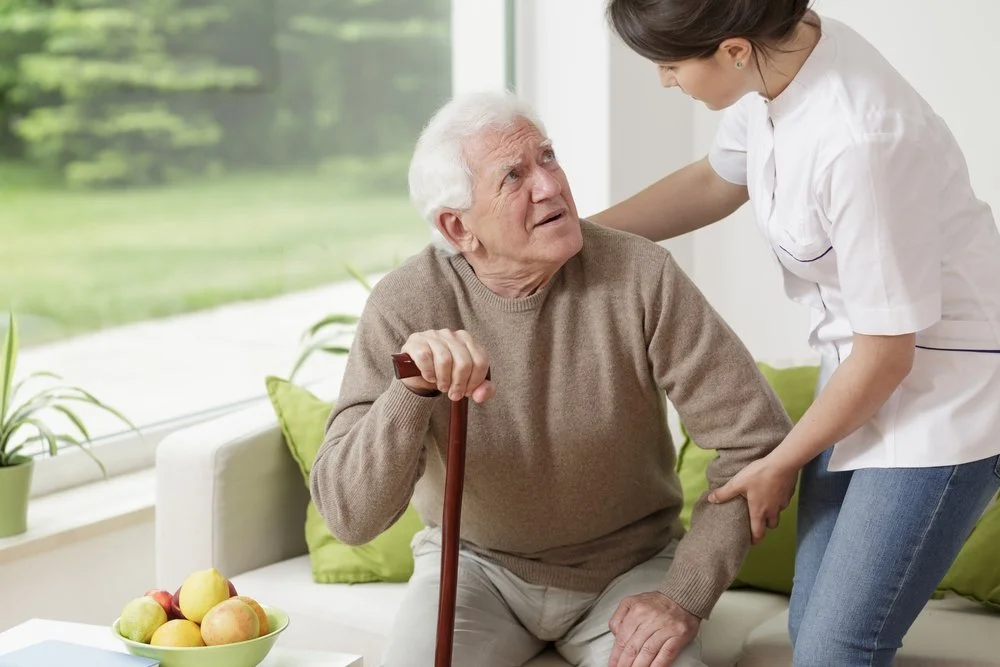
Caregiving often involves small moments that happen quietly throughout the day.
Helping someone stand up from a chair. Guiding them out of bed in the morning. Assisting them to the bathroom at night. These movements may seem routine, but they carry real physical risk for both the caregiver and the person receiving care.
From a nursing and injury-prevention perspective, caregiver injuries are far more common than many families realize. Back strain, shoulder injuries, and falls frequently occur during everyday transfers, not emergencies.
According to the National Institute on Aging, improper transfer techniques are a leading cause of musculoskeletal injury among family caregivers.
This guide explains safe transfer techniques that protect caregivers from injury while supporting dignity, confidence, and safety for older adults.
Why Transfers Are One of the Highest-Risk Caregiving Tasks
Transfers require shifting body weight, balance, and momentum in a coordinated way.
For older adults, weakness, pain, dizziness, or fear of falling can interfere with safe movement. For caregivers, sudden changes in weight or balance can lead to injury.
From a clinical standpoint, many caregiver injuries happen when someone tries to prevent a fall by reacting quickly rather than using proper technique.
Understanding how and why transfers become risky is the first step toward preventing injury.
A Common and Costly Mistake: Lifting Instead of Guiding
One of the most common caregiver errors is attempting to lift the person being assisted.
Lifting places significant strain on the caregiver’s back and shoulders and reduces the older adult’s ability to participate in the movement.
Safe transfers focus on guiding, stabilizing, and encouraging participation rather than lifting.
From a nursing perspective, even small amounts of participation from the person being assisted greatly reduce injury risk.
Proper Body Mechanics for Caregivers
How a caregiver positions their own body plays a major role in safety.
Key body mechanics principles
Stand with feet shoulder-width apart
Keep the person close to your center of gravity
Bend at the hips and knees, not the waist
Avoid twisting while supporting weight
Medical guidance from the Cleveland Clinic supports these principles as effective ways to reduce musculoskeletal strain.
From a clinical standpoint, proper body mechanics protect caregivers while improving stability during transfers.
Encouraging Participation From the Person Being Assisted
Participation is one of the most important and overlooked aspects of safe transfers.
Ways to encourage participation
Give clear, simple instructions
Count together before standing
Allow time to prepare
Encourage pushing with arms or legs when possible
From a nursing perspective, participation improves balance, confidence, and muscle engagement.
Even when mobility is limited, involving the person in the movement reduces sudden shifts that cause injury.
Common Transfers and How to Make Them Safer
Bed-to-standing transfers
Raise the head of the bed if possible
Allow the person to sit at the edge of the bed before standing
Watch for dizziness
Chair-to-standing transfers
Use chairs with armrests
Ensure feet are flat on the floor
Stand to the side, not directly in front
Toilet transfers
Encourage slow, controlled movements
Use stable supports such as grab bars
Ensure the floor is dry and well lit
Each transfer should be deliberate rather than rushed.
When Equipment Makes Transfers Safer
In some situations, proper technique alone is not enough.
Environmental supports can significantly reduce strain and risk.
Examples include:
Grab bars placed near toilets and showers
Raised toilet seats
Bed assist handles
Professional bathroom accessibility solutions ensure that supports are placed correctly based on movement patterns rather than guesswork.
Knowing When to Ask for Help
Caregivers often push themselves too far.
From a nursing perspective, asking for help early prevents long-term injury.
Professional guidance is important when:
Transfers feel unsafe
Pain or strain develops
Falls or near-falls occur
Occupational and physical therapists are trained to assess transfer safety and recommend appropriate techniques or supports.
Protecting the Caregiver Is Not Selfish
Caregiving is physically and emotionally demanding.
Protecting the caregiver’s health is essential to providing sustainable care. Injured caregivers often cannot continue providing support, which can lead to more disruptive changes for everyone involved.
From a clinical standpoint, caregiver safety directly affects patient safety.
How Home Modifications Support Safer Transfers
The home environment plays a major role in transfer safety.
Clear pathways, proper lighting, and stable supports reduce the physical demands placed on caregivers.
A professional aging in place evaluation helps identify modifications that support safe transfers throughout the home.
Conclusion: Safe Transfers Support Everyone Involved
Transfers are a routine part of daily caregiving, but they should never be taken lightly.
By using proper body mechanics, encouraging participation, and incorporating environmental supports when needed, caregivers can reduce injury risk and improve safety for everyone involved.
At Managed Home Accessibility, we help North Jersey families create safer home environments that support caregivers, preserve dignity, and promote long-term independence.