
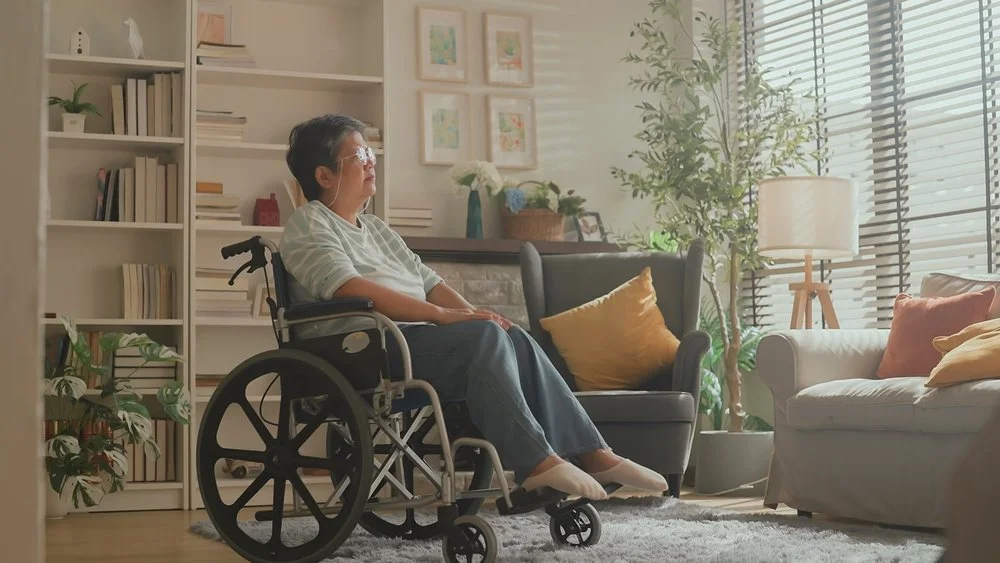
The first 48 hours after returning home from the hospital are some of the most critical and overlooked moments in recovery.
Families are often focused on medications, follow-up appointments, and transportation. Meanwhile, the home environment may still be set up for life before illness or injury. From a nursing perspective, this gap between medical readiness and home readiness is where many preventable falls occur.
According to the National Institutes of Health, older adults are at increased risk for falls after hospitalization due to weakness, medication changes, and disrupted routines. Even short hospital stays can significantly affect balance and endurance.
This guide focuses on what families can realistically do within the first 48 hours to reduce fall risk and stabilize the home environment when time and energy are limited.
Why the First 48 Hours Matter So Much
Hospital discharge means medical stability, not full recovery.
After a hospital stay, the body is often deconditioned. Muscles weaken quickly during bed rest, blood pressure regulation may be impaired, and medications may cause dizziness or fatigue.
From a clinical standpoint, falls during this period often happen during routine activities such as walking to the bathroom, standing from a chair, or navigating steps.
The goal during the first 48 hours is not to make the home perfect. It is to reduce the most immediate risks.
Step One: Create One Safe Living Zone
When time is limited, focus on one primary area of the home.
This “safe zone” should include:
A comfortable chair or bed
Clear access to the bathroom
Adequate lighting
Minimal need for stairs
From a nursing perspective, limiting unnecessary movement reduces fatigue and fall risk.
Clearing one reliable walking path often prevents more falls than trying to adjust the entire home at once.
Step Two: Address Bathroom Safety Immediately
Bathrooms remain the highest-risk room in the home.
Transfers on and off the toilet and stepping into the shower require strength and balance that may be temporarily reduced.
Medical guidance from the Mayo Clinic supports early use of grab bars and non-slip surfaces to reduce injury.
If permanent solutions are not yet in place, temporary measures such as non-slip mats and raised toilet seats can provide short-term protection.
Professional bathroom accessibility solutions can be scheduled once immediate recovery stabilizes.
Step Three: Improve Lighting Day and Night
Poor lighting is a major contributor to post-discharge falls.
During the first two nights home, lighting should be intentionally planned.
Quick lighting improvements
Plug-in nightlights along the bed-to-bathroom path
Lamps within reach of chairs and beds
Motion-sensor lights in hallways
The Cleveland Clinic highlights visibility as a key factor in fall prevention, especially during nighttime movement.
Step Four: Limit Stair Use When Possible
Stairs require coordination, strength, and focus, all of which may be temporarily reduced.
If possible, families should arrange living spaces to minimize stair use during the first 48 hours.
When stair use cannot be avoided, ensure handrails are secure and lighting is adequate.
If stairs feel unsafe even with precautions, discussing longer-term options such as a stair lift may be appropriate once immediate recovery has passed.
Step Five: Reduce Trip Hazards Quickly
Small hazards can have large consequences during early recovery.
Priority hazards to remove
Throw rugs
Electrical cords across walkways
Low furniture near walking paths
From a nursing standpoint, fatigue increases fall risk. Reducing the need to step around obstacles conserves energy and improves stability.
Step Six: Set Expectations and Slow the Pace
Many falls occur when people rush.
Encouraging slower movement, frequent rest, and asking for help during the first 48 hours reduces risk.
Families should normalize the need for assistance rather than pushing for independence too quickly.
When to Ask for Professional Help
Some situations require expert guidance even during early recovery.
Families should seek professional support when:
Balance feels significantly impaired
Transfers are unsafe
Stairs present immediate risk
A professional aging in place evaluation can help prioritize safety changes without delay.
Conclusion: Focused Action Makes a Difference
The first 48 hours after hospital discharge set the tone for recovery.
By focusing on one safe zone, addressing bathroom and lighting risks, limiting stairs, and removing trip hazards, families can significantly reduce fall risk during this vulnerable period.
At Managed Home Accessibility, we help North Jersey families respond quickly and thoughtfully after hospital discharge, supporting safe recovery at home.